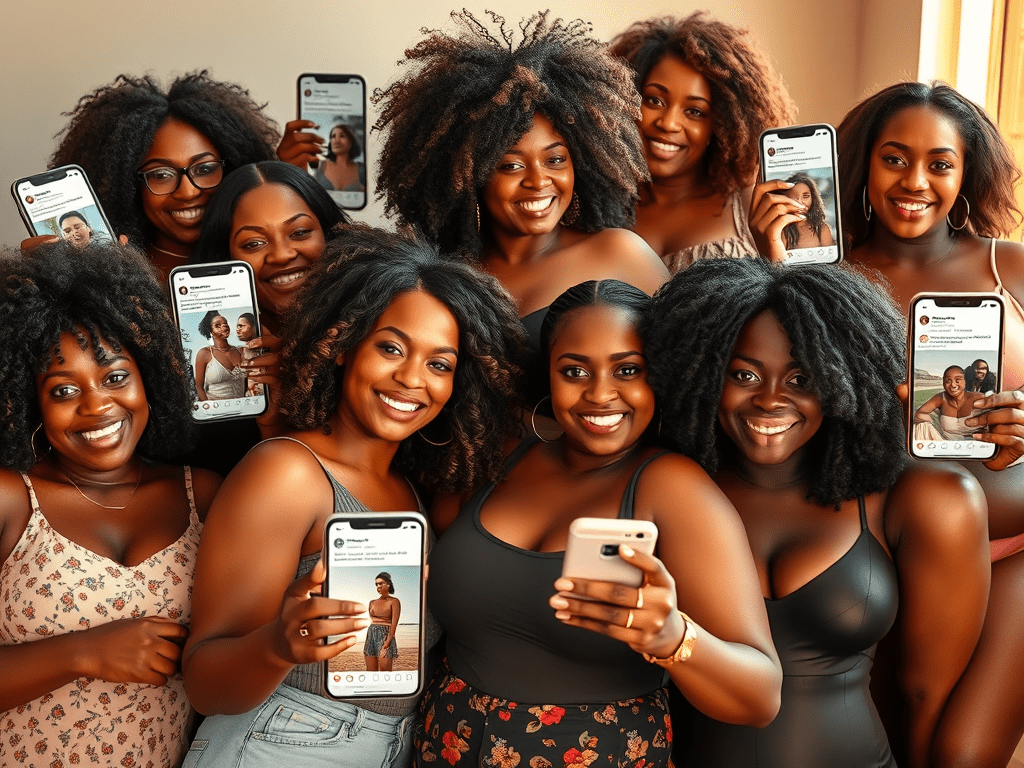
The influence of social media on body image is no longer just a topic for private concern; it is a trending public debate. From viral TikTok commentary to high-level psychological research, the focus is increasingly on how digital platforms specifically impact Black young women.
While experts like Sophia Choukas-Bradley warn of the links between social media pressure and depressive symptoms, her work with Project ROSE also reveals a more hopeful side to the story: a digital world that is slowly beginning to embrace and depict a greater diversity of beauty ideals.
The conversation has spread across social media, with conversations such as The Shade Room, initiating input from TikTok users such as jaebabylay, weighing in.
While creators like Jaebabylay provide a personal perspective on these digital spaces, academic research offers a sobering look at the psychological consequences of this constant exposure.
The Expert Perspective
According to Sophia Choukas-Bradley in a social media statement, the specific ways social media dictates body standards create a distinct set of challenges for young Black women.
“Black young women face unique pressures as they navigate social media and what it tells them about their bodies”, said Sophia Choukas-Bradley.
Choukas-Bradley notes in her research Project ROSE that image concerns related to body image that result from pressures such as social media have been linked to disordered eating, depressive symptoms, and lower self-esteem. Although she could not be reached via phone or email for further commentary, social media videos, such as Nikkis’.Narratives highlight this notion.
The Viral Discourse
Nikkis.Narratives captions her video, “Join me on my journey towards self-love and acceptance, challenging the norms of beauty standards. It’s not easy, but it’s worth it!” echoing sentiments expressed by other users on social media. “I listen to black women talk about their experience being black, and I feel like it helps to let it out and ask, do we all feel this way, or is it just me?”
The shift from internalizing these unique pressures to actively challenging them is evident in the growing community of creators like jaebabylay and Nikkis.Narratives, that use their platforms to foster self-love and bridge the gap between viral discourse and academic research.
Ultimately, the digital landscape for young Black women is shifting from a space of prescriptive beauty standards to one of collective resistance and healing. By bridging the gap between clinical research and lived experience, creators like femininefuel are transforming social media into a tool for empowerment rather than just a source of pressure.
While the psychological risks identified by experts like Sophia Choukas-Bradley remain a serious concern, the rise of these authentic voices suggests a more hopeful future, one where the community’s pursuit of self-love can redefine digital norms and foster a lasting sense of belonging and acceptance.
 Leather Digest
Leave a comment