Predictive Workforce Planning and Human Capital Optimization
Business Context and Personnel Strategy
Interparfums’ international operations require a workforce capable of supporting brand development, supply chain coordination, finance, marketing, information technology, and distribution activities. As international demand changes, executive leadership must determine whether existing staffing levels adequately support operational requirements.
The primary personnel dilemma involves balancing labor expenses with productivity and service quality. Widespread workforce reductions may reduce short-term operating expenses but could also eliminate critical organizational knowledge, increase operational disruptions, and weaken the company’s ability to support growth.
A more sustainable approach involves predictive workforce planning, targeted recruitment, employee development, and flexible staffing arrangements.
Statistical Modeling of Workforce Demand
Regression analysis provides a quantitative method for estimating workforce requirements based on changes in operational activity.
A proposed staffing model is:
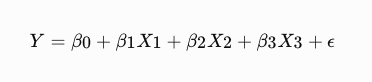
Where Y represents required staffing levels, X1 represents order volume, X2 represents seasonal demand, and X3 represents automation intensity.
Historical staffing and operational data could be used to estimate the regression coefficients. Model validation should evaluate residual patterns, out-of-sample prediction errors, and the potential influence of changing productivity.
The following hypothetical scenario assumes one full-time-equivalent employee is required for every 10,000 quarterly distribution units.
Illustrative Workforce Demand Forecast
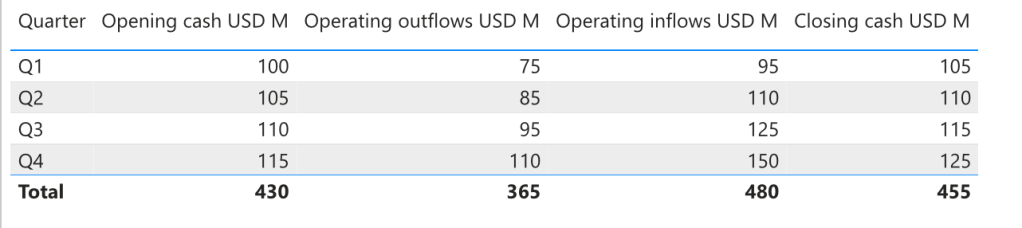
Note. Figures represent hypothetical regional distribution operations. Positive staffing gaps indicate surplus capacity; negative values indicate shortages.
Workforce Capacity Forecast
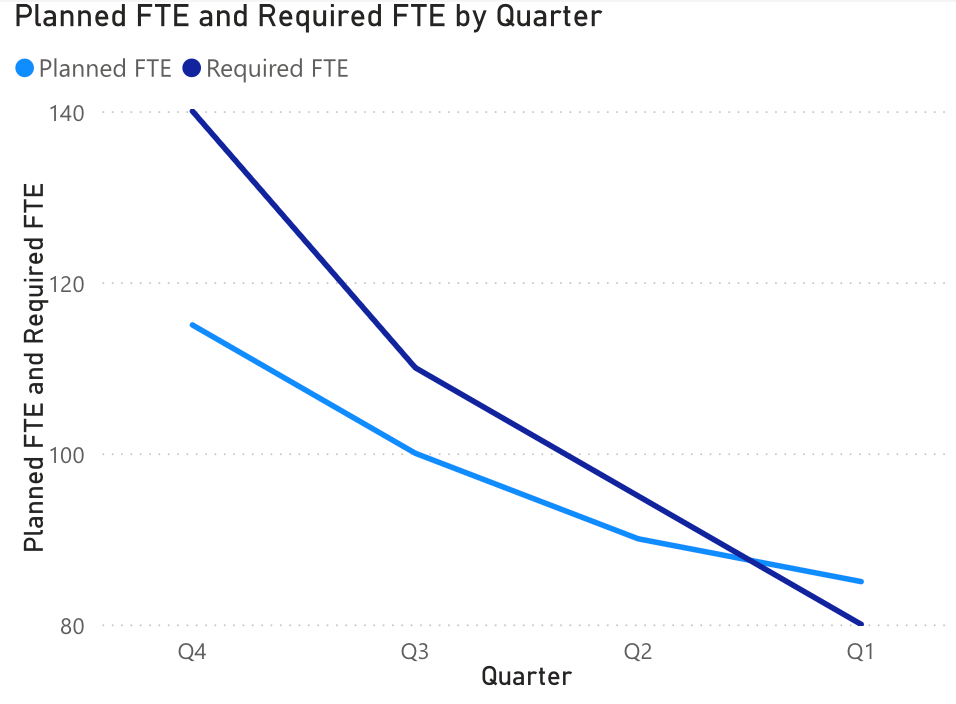
The model identifies a projected fourth-quarter staffing shortage of 25 full-time-equivalent employees. This represents approximately 17.9% of required fourth-quarter staffing.
The forecast suggests that permanent hiring may not be necessary for the entire projected shortfall. Seasonal labor, cross-training, overtime within appropriate limits, and process automation could address temporary demand increases.
Bayesian Workforce Decision-Making
Bayesian inference provides a framework for updating workforce demand probabilities when new information becomes available.
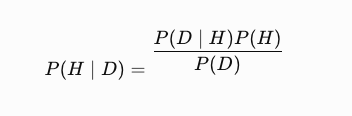
For example, a hypothetical initial probability of unusually high fourth-quarter demand could be revised following stronger-than-expected distributor orders. This updated probability could support decisions regarding temporary staffing, recruitment timing, and operational scheduling.
Bayesian modeling is particularly relevant when limited historical observations must be combined with new market information (Montgomery & Runger, 2018).
Talent Acquisition and Performance Management
Interparfums should prioritize recruitment for business-critical competencies, including financial analytics, supply chain optimization, digital marketing, and international business development.
A workforce analytics dashboard could monitor recruitment cycle time, employee turnover, training effectiveness, workforce productivity, and labor cost per unit.
Substandard performance should be addressed through documented performance expectations, targeted development plans, and consistent personnel procedures. Workforce reductions should be based on validated organizational requirements rather than short-term financial targets alone.
Executive Recommendation
Interparfums should adopt a flexible workforce planning strategy that combines targeted recruitment, cross-functional training, and seasonal staffing. Predictive models should guide workforce decisions while accounting for productivity improvements associated with automation.
Management should monitor staffing gaps, employee productivity, recruitment efficiency, and forecast accuracy. Permanent hiring should be prioritized when sustained demand and operational requirements demonstrate long-term workforce needs.
References
Interparfums, Inc. (2026). Annual report for the fiscal year ended December 31, 2025 (Form 10-K). U.S. Securities and Exchange Commission. https://www.sec.gov/Archives/edgar/data/822663/000175392626000464/ipar-20251231.htm
Montgomery, D. C., & Runger, G. C. (2018). Applied statistics and probability for engineers (7th ed.). Wiley.


Leave a Reply